Night trains are back, and they're full
From Paris to Vienna and Amsterdam to Prague: Europe's sleeper revival, one cabin at a time.

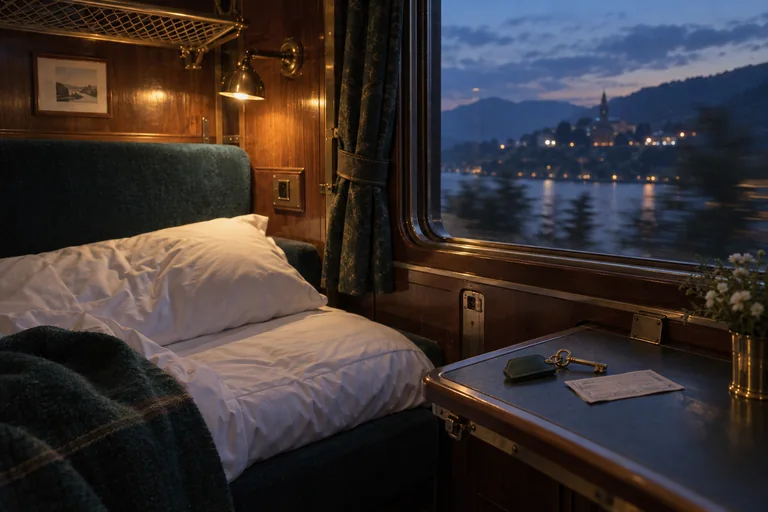
Ten years ago most of Europe’s sleeper routes were being cut. This winter there are more of them than at any time since the 1990s, and the cabins on the busiest routes sell out weeks ahead.
We took six overnight trains in a fortnight to find out who rides them, what it costs and whether you actually sleep.
Who takes the night train
Students with rail passes, families with small children, business travellers who have stopped flying short routes, and a surprising number of people over seventy who remember the old sleepers fondly. The common thread is a willingness to trade speed for an evening that does not feel like transit.
You fall asleep in one country and wake up to coffee in another. Nothing else feels like that.
What it costs
A berth in a six-person couchette starts at around forty euros on most routes. A private cabin with a basin can be three times that. Booked early, a sleeper is often cheaper than a flight plus a hotel, and you arrive in the centre of town at breakfast.
Do you sleep
Mostly. Couchettes are noisy, private cabins less so, and the new carriages on the Vienna routes are genuinely quiet. Bring earplugs, an eye mask and something to eat. The dining car, where there is one, closes earlier than you think.